
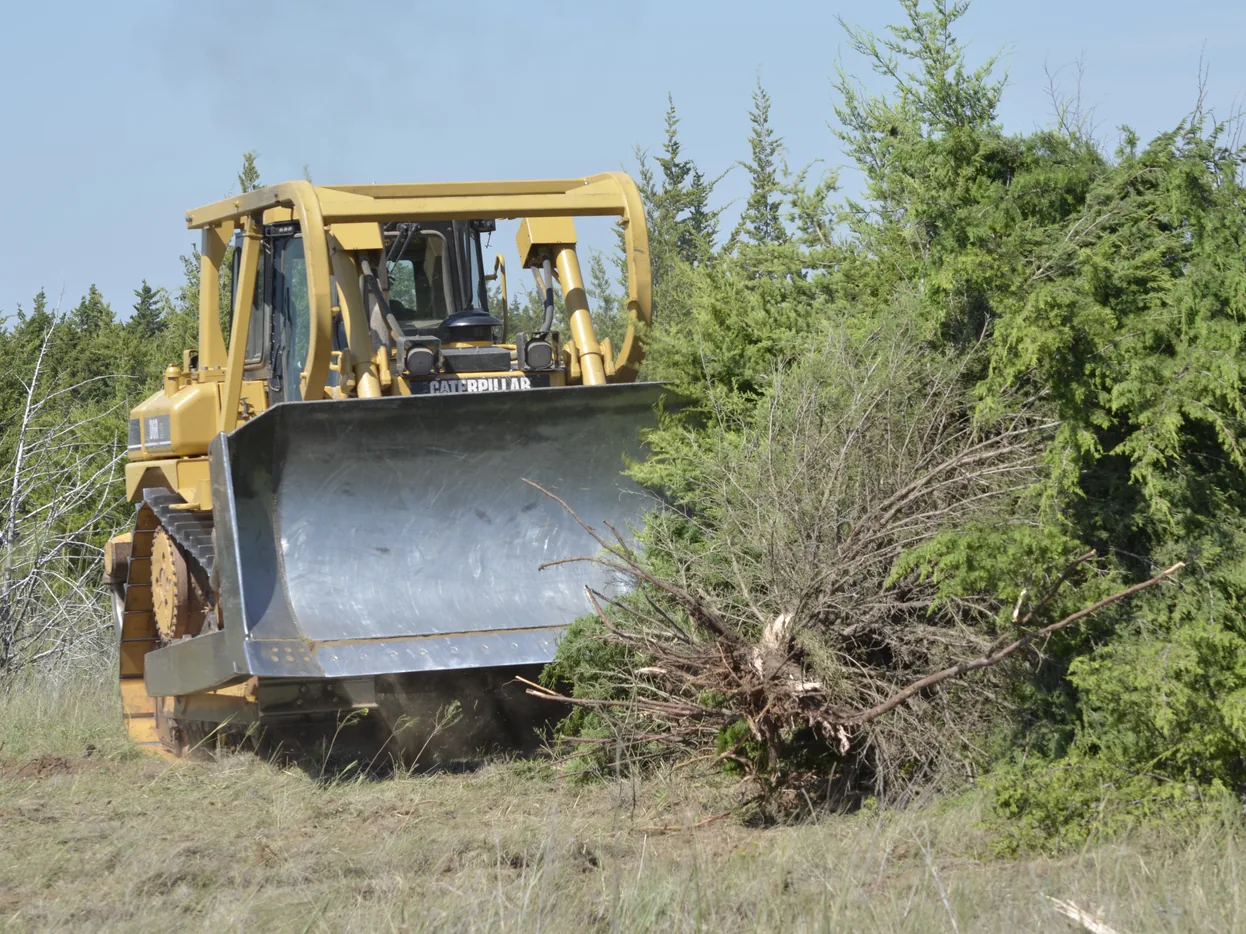
Fence Line Clearing
Our dozer and excavator clear brush and trees off fence lines and property lines. The lane we open leaves room for the fence crew and for upkeep.
Learn More
Land clearing in Abilene usually starts with mesquite. On the Tobosa clay flats around town, the NRCS site guide says mesquite and prickly pear spread the most. Lotebush comes in early too. Once brush tops 15 percent canopy, the guide says grazing alone generally will not bring the grassland back.
Hughes Dirt Service is based in Ranger, and Abilene is the west end of our service area. The drive from Ranger is about 66 road miles, west on Interstate 20. Our land clearing work uses our dozer and excavator to grub mesquite and other brush out by the roots. The brush is piled where you want it or hauled off, whichever the quote spells out. Call or text (254) 210-2570, and we will look at the job and put the quote in writing.
Tell us about the clearing, tank, pad, driveway or teardown and where it is. We look at the job and put the quote in writing.
Taylor County is farm and ranch country. The 2022 Census of Agriculture counted 175,859 acres of pastureland there and 13,457 cattle and calves. The Handbook of Texas describes the county as Rolling Plains prairie, with grass and some mesquite and live oak. The NRCS site guide says frequent wildfires once kept woody plants low on the clay flats.
Without fire or brush management, the guide says the flats may turn to brush led by mesquite or juniper. Mesquite sprouts back from buds at its base when only the top is knocked down. State brush research says the taproot must be cut below that bud zone, 6 to 14 inches down. That is why we grub mesquite out by the roots and dig or push the stumps out by machine.
Tobosa clay is sticky when wet and very hard when dry, per its NRCS description. Grubbing speed changes with soil moisture and with how thick the brush stands. The county AgriLife Extension office in Abilene posts a New Landowner Series with a video on managing brush.
Tobosa clay and Sagerton clay loam cover the most ground around Abilene on the NRCS soil maps. NRCS describes Tobosa clay as very deep and very slow to let water through. In dry spells it cracks 0.3 to 1 inch wide, and the cracks run 20 to 60 inches down. NRCS rates it very limited for homes on a concrete slab, because the clay shrinks and swells.
Sagerton clay loam rates somewhat limited for the same reason. On ground like this, the slab design and any soils report belong to an engineer. Our part is the dirt: we clear the site and build up house pads graded so water runs away.
NRCS also rates Tobosa clay very limited for local roads, for low strength and shrink-swell. A gravel driveway here needs a base shaped to shed water before the rock goes down. For a new drive off a county road, Taylor County's permit sets steel culvert pipes at least 30 feet long. Inside the city, Public Works requires an approach permit before a driveway goes in.
Taylor County is semi-arid, the Handbook of Texas says. NOAA's 1991 to 2020 normals give Abilene about 25 inches of rain a year, wettest in May and June. Lytle Lake was built for the town's water in 1897, and Lake Abilene in 1919. Lake Kirby followed in 1927, and Lake Fort Phantom Hill, a dam on Elm Creek north of town, in 1938.
Ranches around Abilene use stock tanks to water livestock. NRCS rates Tobosa clay not limited as a pond basin, and Sagerton clay loam somewhat limited for seepage. It rates Tobosa clay very limited for a dam, because the clay is hard to pack. Our stock tank and pond construction starts with that soil and the draw that feeds the tank.
The city's floodplain FAQ says a floodway must stay open for floodwater, and building in it is generally prohibited. Its fee schedule lists a floodplain development permit and a grading permit. Outside the city, Taylor County's development permit form covers placing fill and altering a natural waterway.
Abilene began when the Texas and Pacific Railway reached the site in January 1881. The Census Bureau's 2020 to 2024 survey puts the median year built for its homes at 1975. More of today's homes date from the 1950s than any other decade, about one in five. About 7 in 10 are detached single-family houses.
When an old house has to come down, our house demolition work leaves the lot clean and level. The Census counted 125,182 people in Abilene in 2020, up from 117,063 in 2010. Potosi, nine miles south on FM 1750, grew from 2,991 to 3,947 over the same decade.
Outside city limits, Taylor County's rules call for a plat when a tract is divided into two or more parts. A new drive onto a state highway needs a TxDOT permit through its Abilene District. Texas law requires a call to 811 at least two business days before most digging 16 inches or deeper. The state's pipeline regulator recommends calling before any digging, even on a ranch.
Communities and areas we serve around Abilene: Potosi, Hamby, Clyde, Lake Fort Phantom Hill, Lake Kirby, Lytle Lake, Elm Creek, FM 1750, FM 600, State Highway 351.
Abilene ZIP codes served: 79601, 79602, 79603, 79605, 79606.
Abilene is part of our service area. We look at the job and put the quote in writing.
(254) 210-2570 Our dozer and excavator clear brush and trees off fence lines and property lines. The lane we open leaves room for the fence crew and for upkeep.
Learn More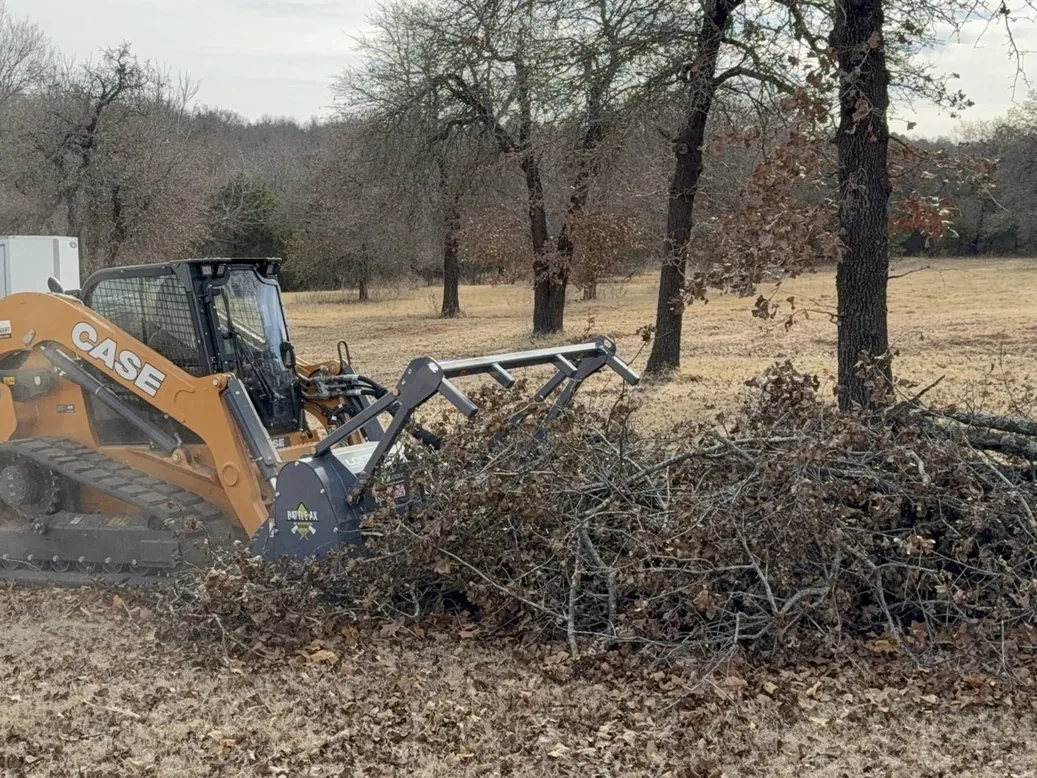
We clean up overgrown lots and acreage with our dozer and excavator. Brush and dead trees come out, and the rough ground gets smoothed.
Learn More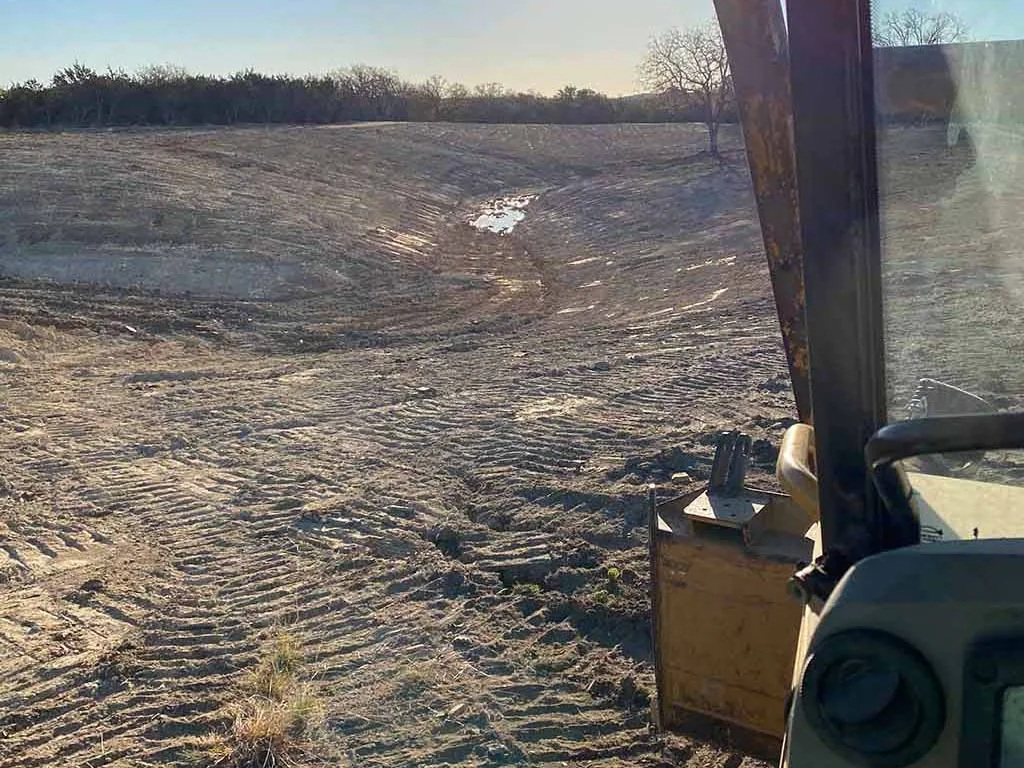
We dig new stock tanks and ponds on ranches and acreage around Ranger. We also clean out old tanks that have silted in.
Learn More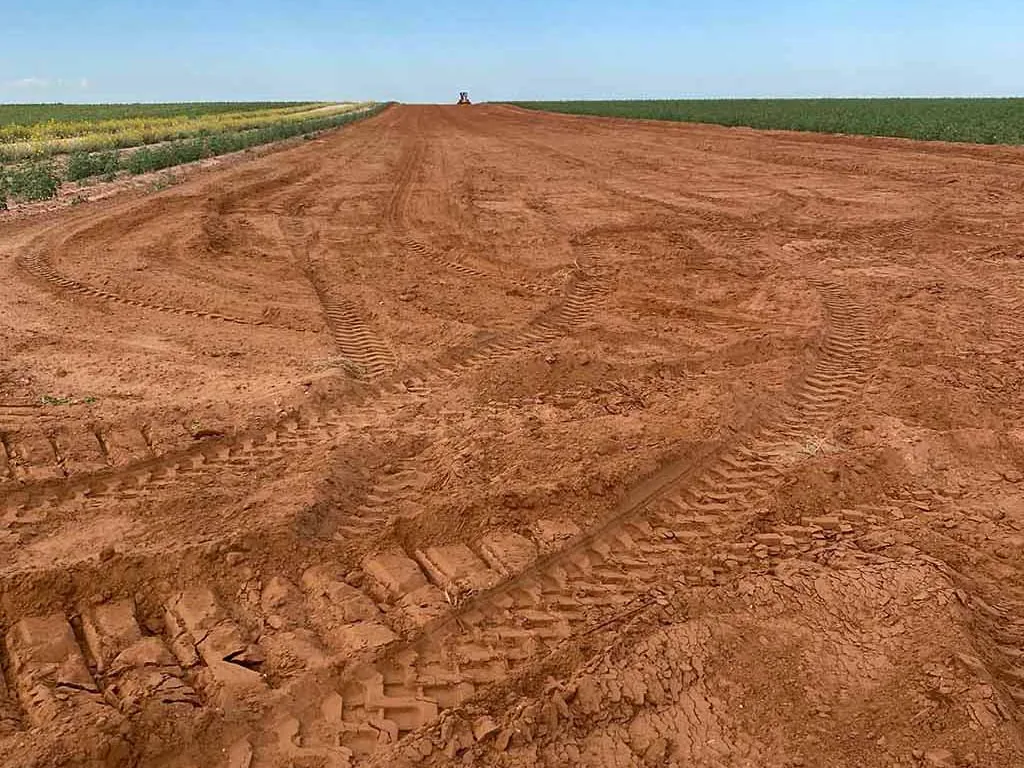
We cut the high spots and fill the low ones with our dozer and excavator. Your ranch or home site ends up smooth, and rain runs off it.
Learn More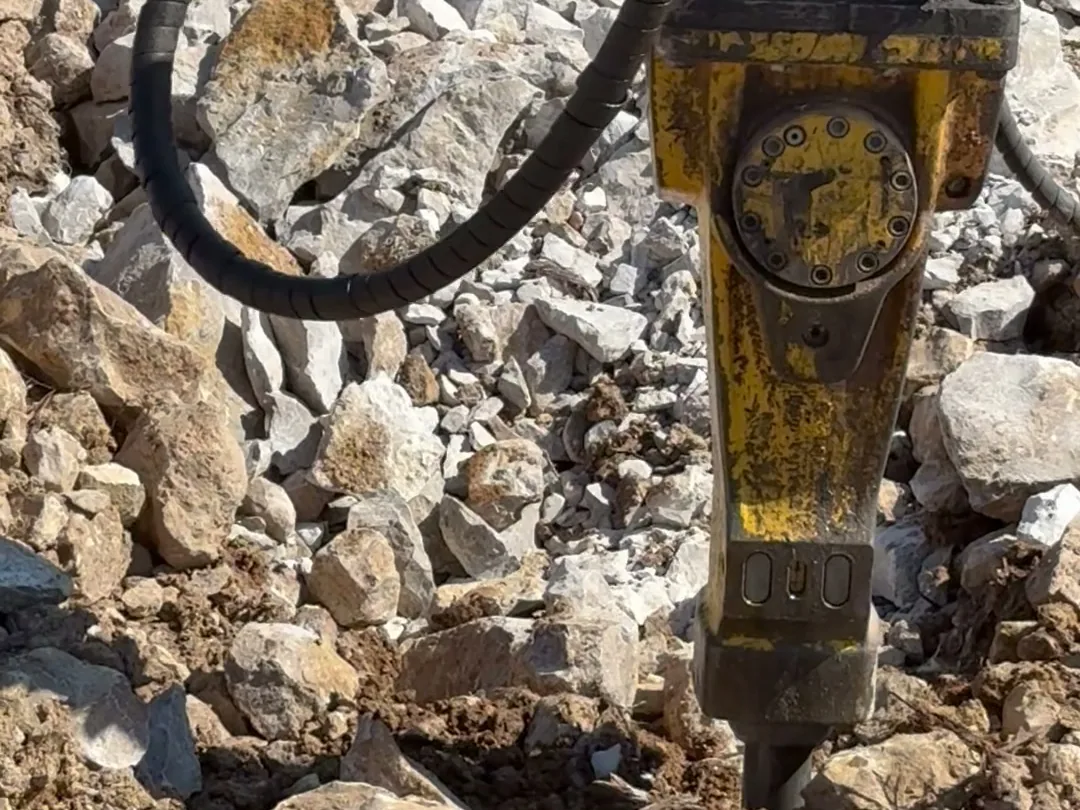
We dig trenches for water lines and utility lines with a tracked excavator. When a trench hits rock, the excavator's rock hammer breaks it out.
Learn More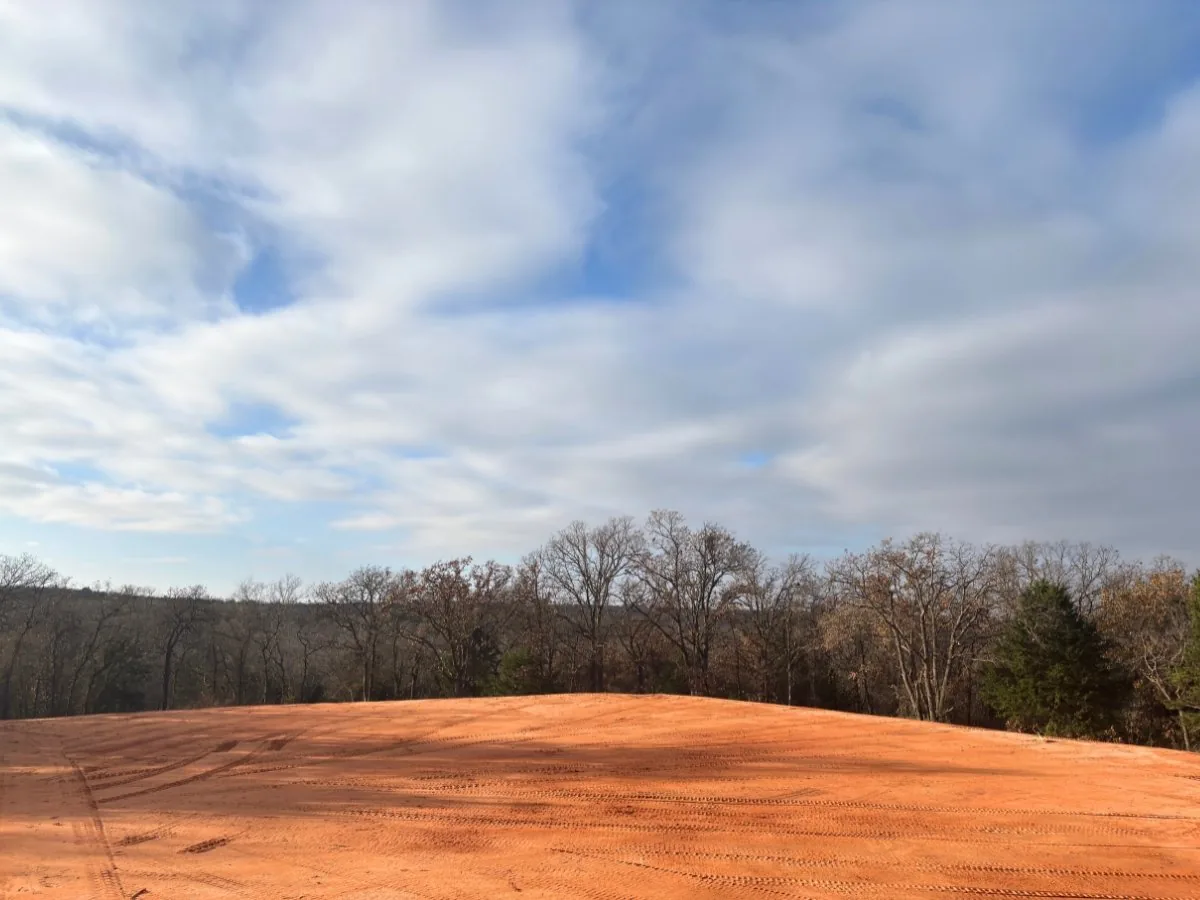
We build house pads for homes, barndominiums, shops and barns around Ranger. The site is cleared and leveled, and the pad is graded to drain.
Learn More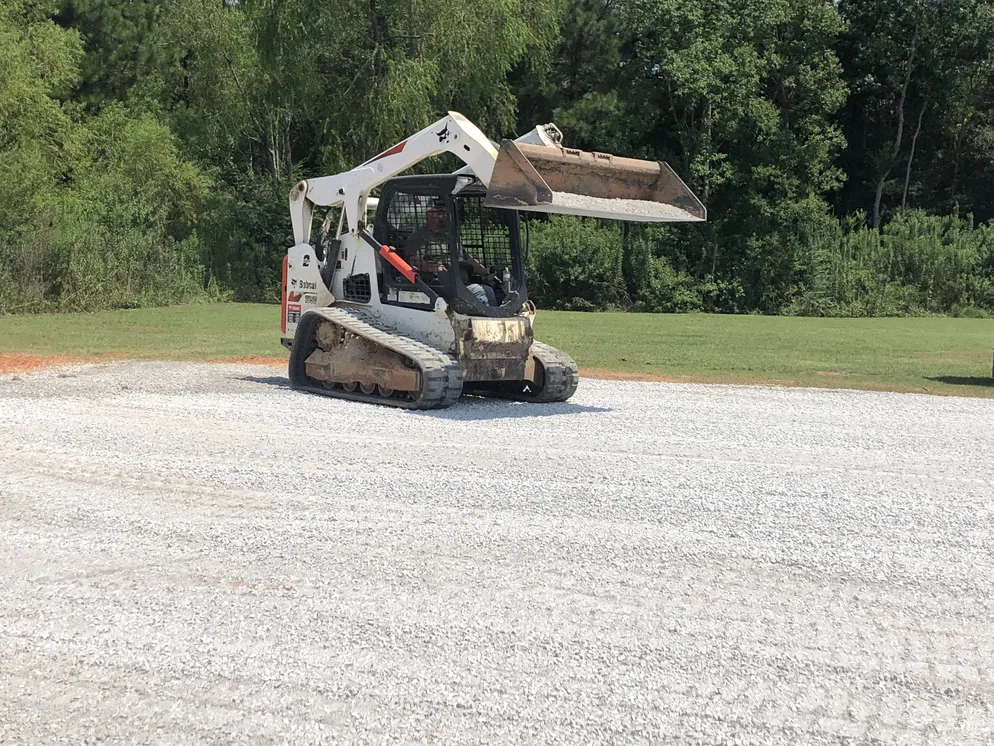
We cut in new gravel driveways and grade the base so it drains. We also regrade old driveways and add fresh rock.
Learn More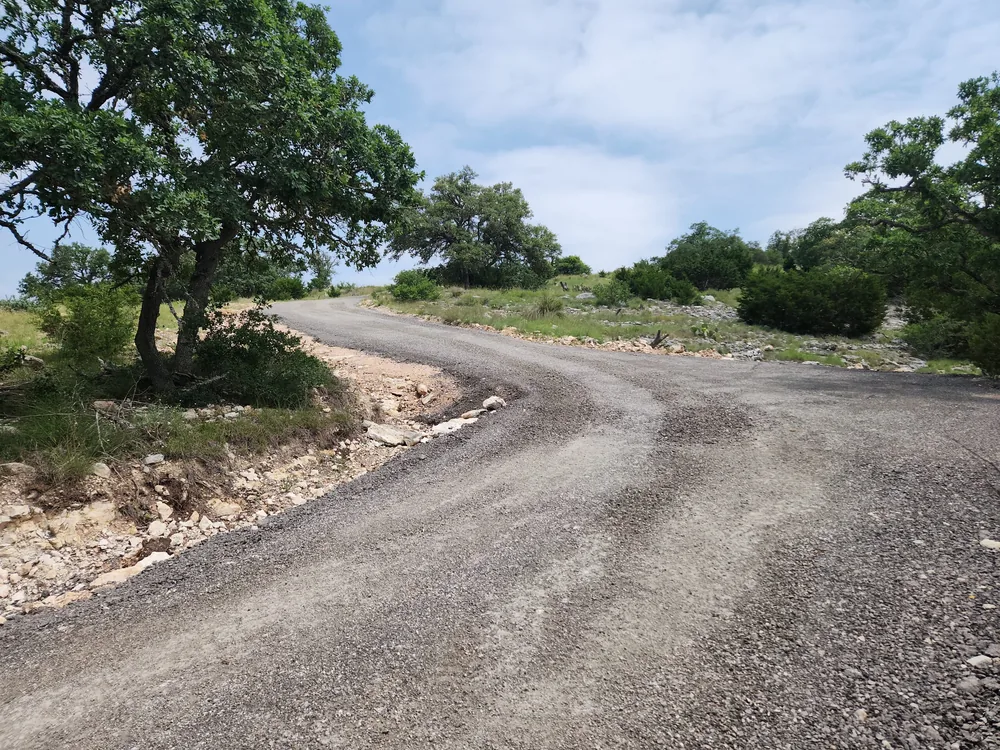
We build gravel roads and caliche roads on ranches and acreage, crowned so rain runs off. We also regrade washed-out, rutted roads and build up the low spots.
Learn More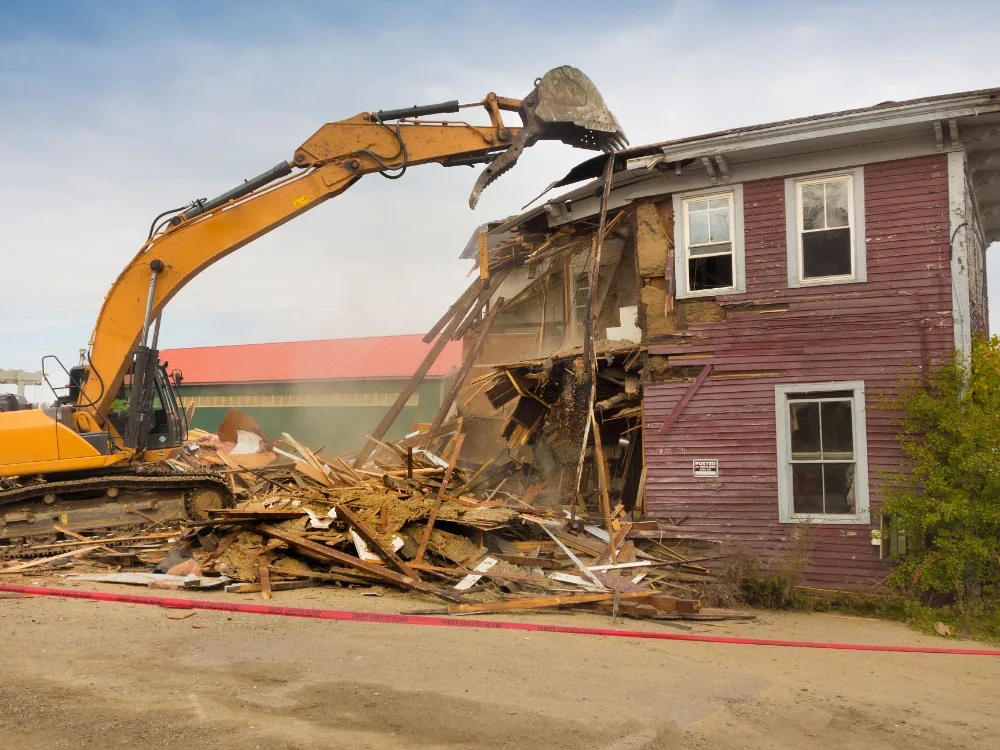
We tear down old houses and mobile homes with the excavator. The debris is hauled off, and the site is left clean and level.
Learn More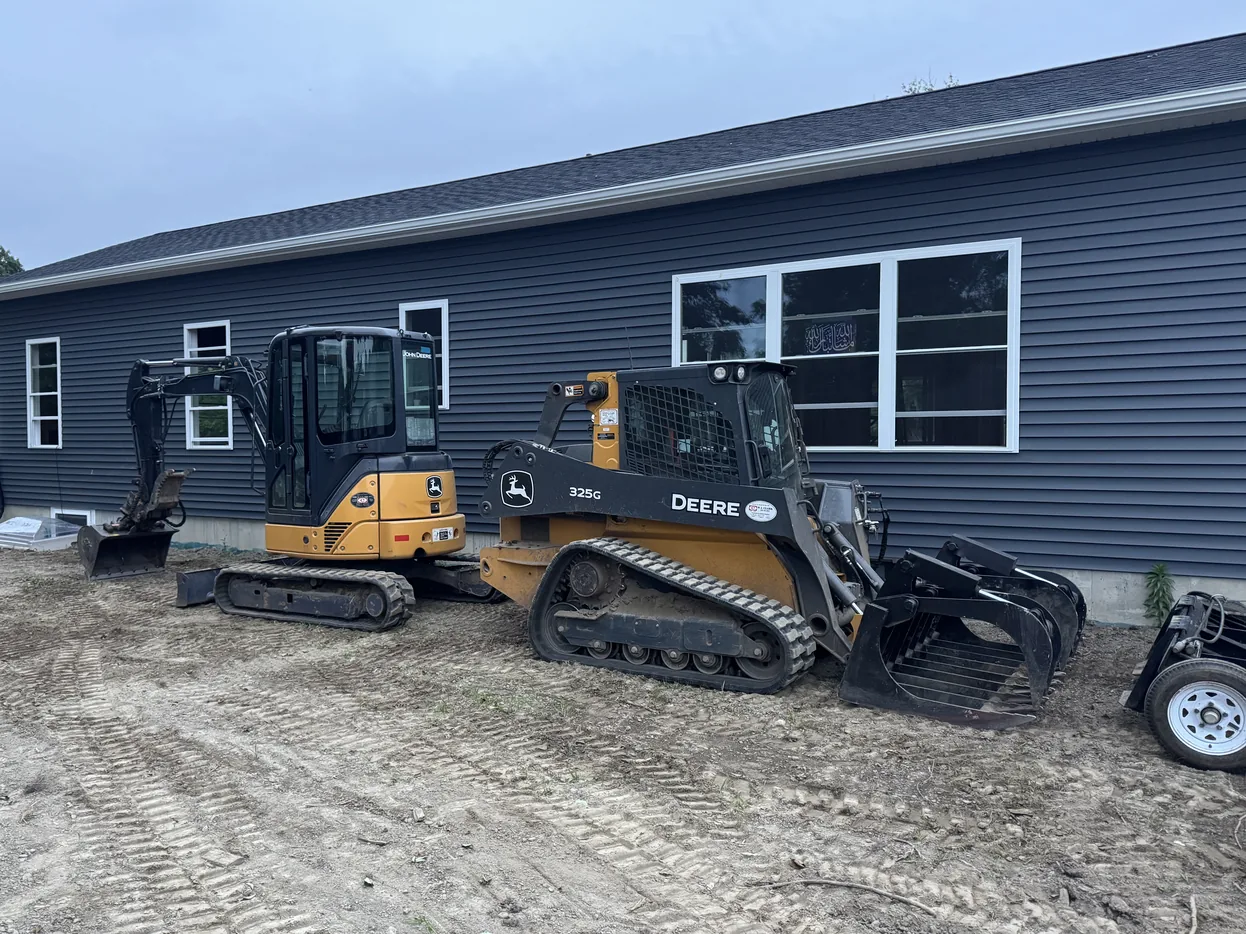
We clean up the ground around a new house with our equipment. Debris gets hauled off, and the yard gets rough graded and leveled.
Learn MoreA few of the questions we hear most around Abilene. If yours is not here, call or text and ask.
Tell us what the job is and the town it is near, and text us photos if you have them. Call or text (254) 210-2570, or send the form and we will get back to you.
Tell us about the clearing, tank, pad, driveway or teardown and where it is. We look at the job and put the quote in writing.