
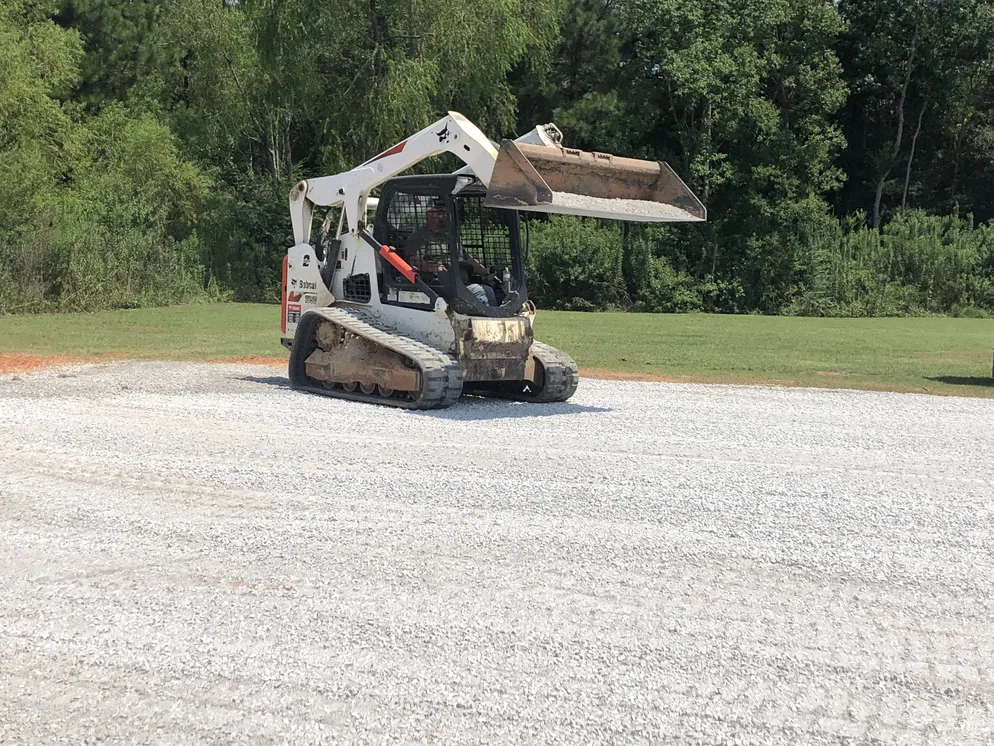
Gravel Driveways
We cut in new gravel driveways and grade the base so it drains. We also regrade old driveways and add fresh rock.
Learn More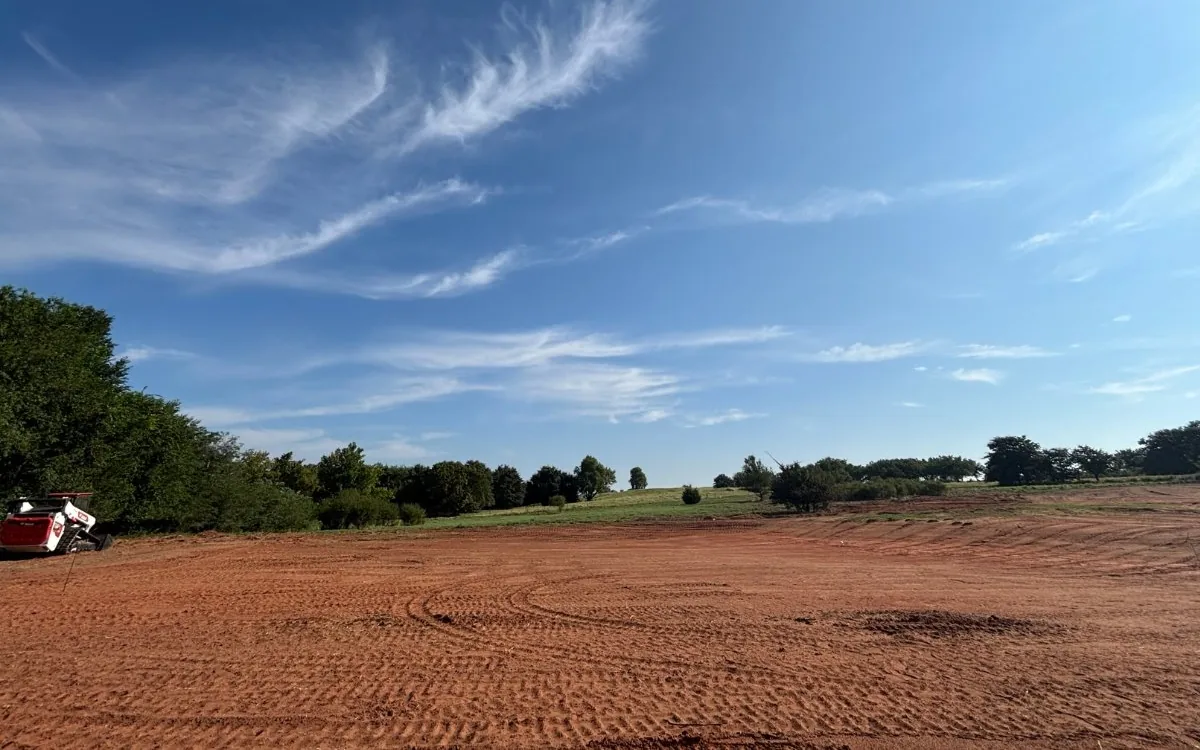
A new house or a barndominium needs a level base before the slab goes on. That base is a house pad: a built-up block of dirt, flat on top and shaped so rain runs off. Hughes Dirt Service builds house pads on acreage and home sites in Ranger and about 60 miles around it. Shops and barns get the same kind of building pad.
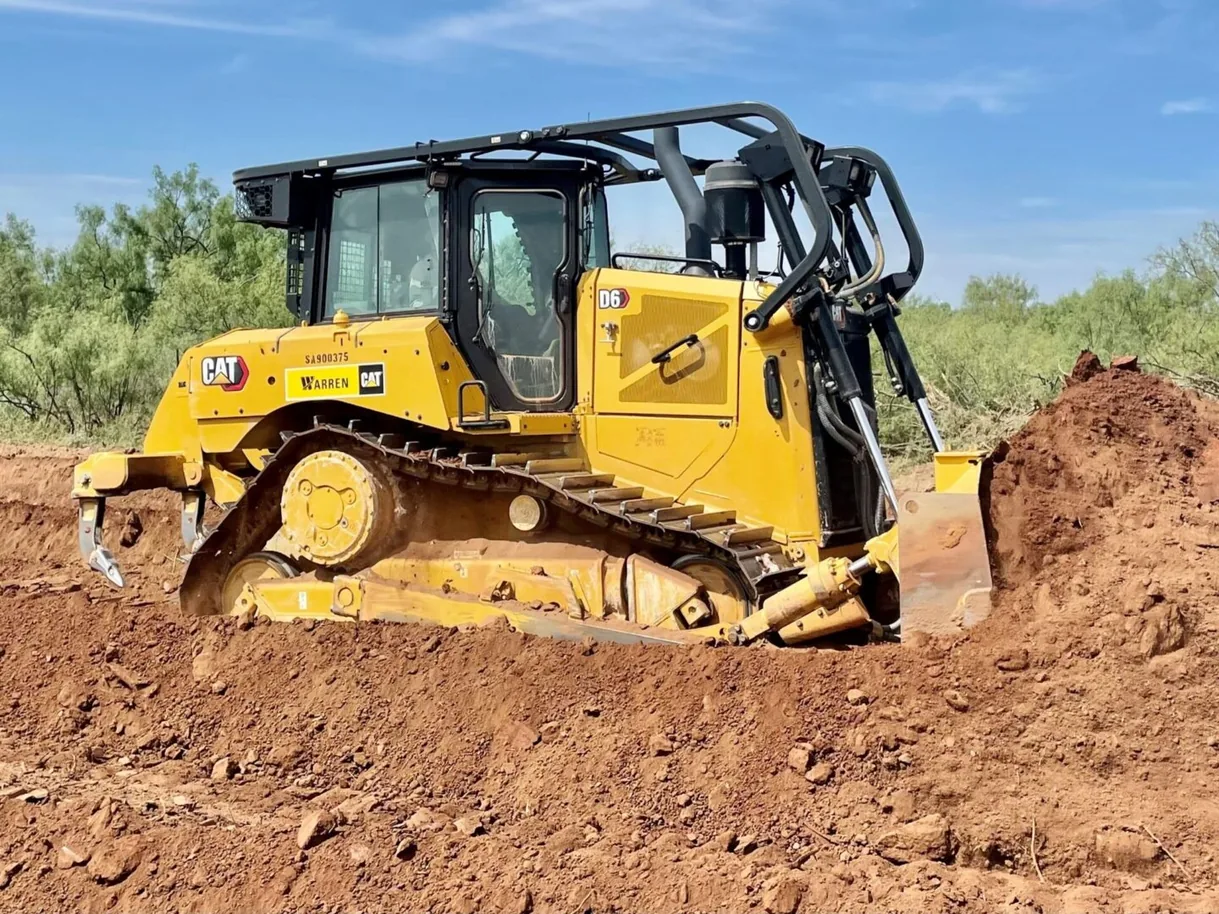
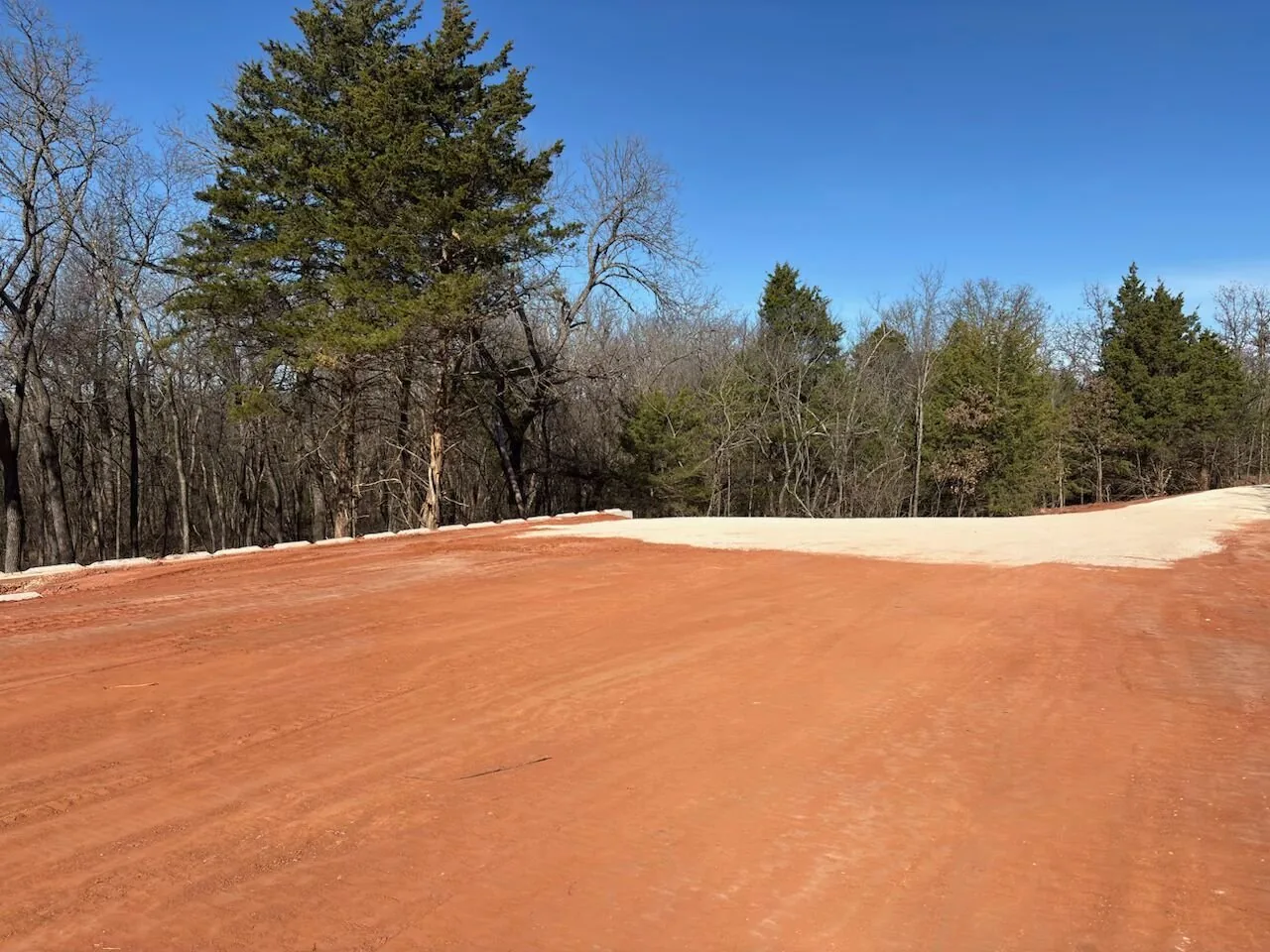
Site prep comes first. On a brushy lot, land clearing around Ranger takes the mesquite and cedar off the spot, roots and all. Our dozer and excavator then shape the ground and build the pad. A gravel driveway in to the pad gives concrete trucks and delivery trucks a way in.
Tell us about the clearing, tank, pad, driveway or teardown and where it is. We look at the job and put the quote in writing.
The first step comes before any dirt moves. Texas law requires a call to 811 at least two business days before most digging 16 inches or deeper. Utility locators then mark about where their lines run, with flags or paint. Your own private lines, like a water line out to a barn, are yours to point out.
Roots rot and topsoil stays soft, so both come off where the pad will sit. The dozer strips that top layer down to firmer dirt below. Fill piled on top of roots and topsoil can sink as they break down. The state highway department's fill spec bars roots and stumps from fill, too.
Next comes the cut and fill. On a sloped site, we cut the high side down and push that dirt to the low side. On flat ground, the whole pad is built up with fill. When the site's own dirt runs short, fill for the pad is part of the written quote.
Soil changes from one pad site to the next around Ranger. The USDA soil survey for Eastland County rates each soil for houses on a concrete slab. About four in five acres in the county rate limited for that use. Most of those fall in the milder class, called somewhat limited.
Shrink-swell clay is the reason the survey lists most often, on about three in four acres. This clay swells when it gets wet and shrinks as it dries. The survey notes that the movement can make foundations shift and slabs crack. On clay ground, an engineer's soils report can spell out what the pad and the slab need.
Rock is the other common find. The same survey puts bedrock within 40 inches of the surface on about three in ten acres. It notes that shallow rock makes shaping and leveling harder. When a pad cut hits a ledge, the rock hammer from our rock excavation work breaks it out.
A house pad sits higher than the ground around it, so rain runs off its edges. We grade the pad and the ground beside it so water falls away from the slab. Texas law bars diverting or holding back the natural flow of runoff in a way that floods another person's land. A good pad plan keeps the runoff on its natural path off the lot.
The house plan and your builder set the size and height of the pad. Before the height is set, check the FEMA flood map for the lot. Where the map gives a flood height, Eastland County's rules put a new home's lowest floor at or above it.
After the house goes up, the ground around it needs work too. Construction site cleanup hauls off the debris and smooths the ruts the trucks leave. Then the ground is rough graded and leveled, ready for a yard.
Call or text for a written quote. We work about 60 miles around Ranger, from Abilene to Weatherford.
(254) 210-2570From the first call or text to the finished work, here is how it goes.
Call or text (254) 210-2570 and tell us what the job is and where it is. Photos by text help too.
We come out and look at the land and how our machines will get to the work. You show us what you want done.
The quote comes to you in writing before any work starts. It says what we will do and where the brush or debris goes.
Our dozer and excavator go to work on the day we set with you. The work follows the plan in the written quote.
We look over the finished work with you before the machines leave. The site is left the way the quote describes.
Common questions about house pads around Ranger and the towns from Abilene to Weatherford. If yours is not here, call or text and ask.
We cut in new gravel driveways and grade the base so it drains. We also regrade old driveways and add fresh rock.
Learn More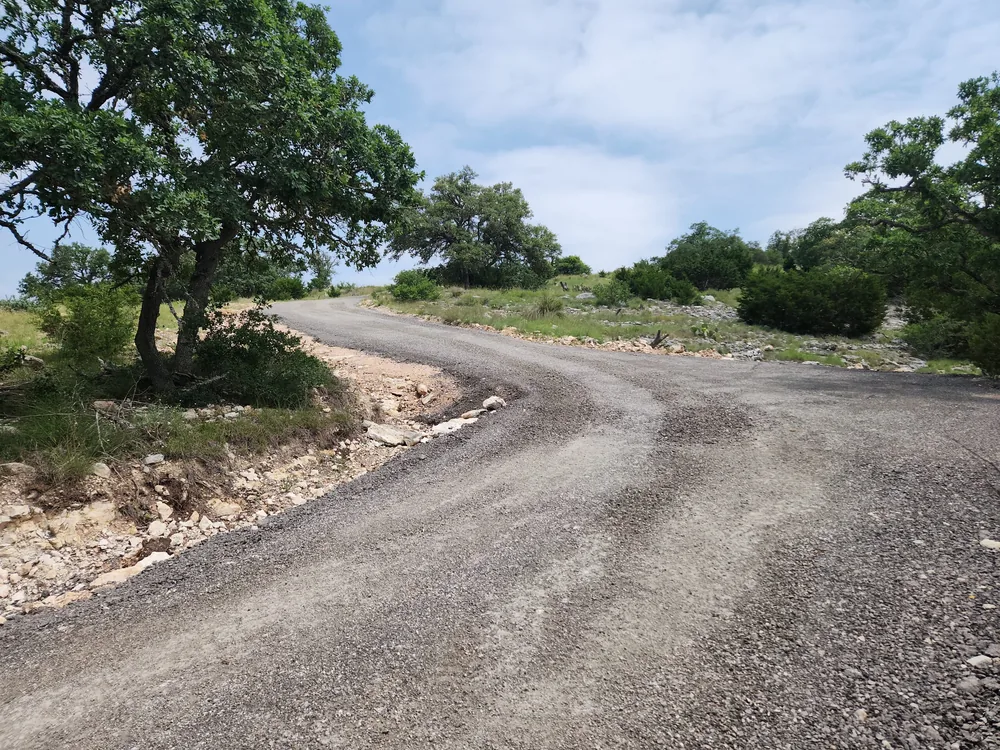
We build gravel roads and caliche roads on ranches and acreage, crowned so rain runs off. We also regrade washed-out, rutted roads and build up the low spots.
Learn More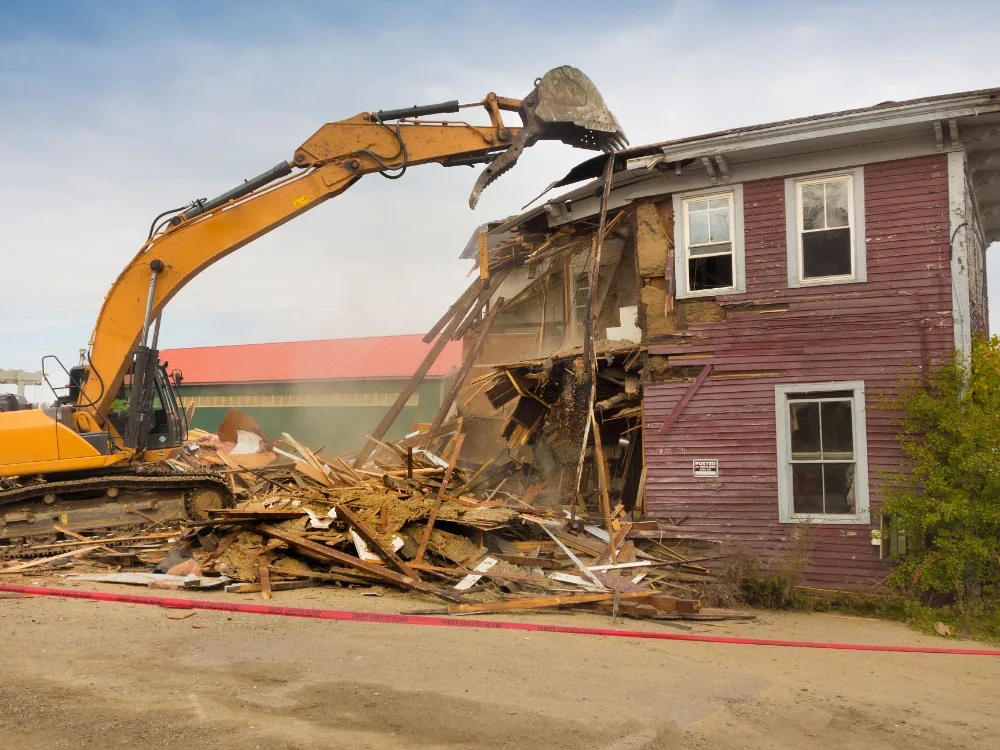
We tear down old houses and mobile homes with the excavator. The debris is hauled off, and the site is left clean and level.
Learn MoreWe clear the land, and we do the dirt work and digging that come after it. One call covers both.
Our dozer pushes brush and shapes dirt, and our excavator digs and loads. Its rock hammer breaks out rock when a trench runs into it.
We look at the job before we price it. Then the quote comes to you in writing, so you know the work before it starts.
Ranger, in Eastland County, sits at the center of our service area. We work about 60 miles around it, out to Abilene and Weatherford.
What a gravel driveway costs in Texas: published ranges per square foot and per ton. See what the rock, base prep, drainage and regrading add.
Read more →
House demolition cost in Texas: national cost guide ranges by size and square foot. See the asbestos rules, disposal, permits and mobile home removal.
Read more →Tell us what the job is and the town it is near, and text us photos if you have them. Call or text (254) 210-2570, or send the form and we will get back to you.
Tell us about the clearing, tank, pad, driveway or teardown and where it is. We look at the job and put the quote in writing.