House Demolition
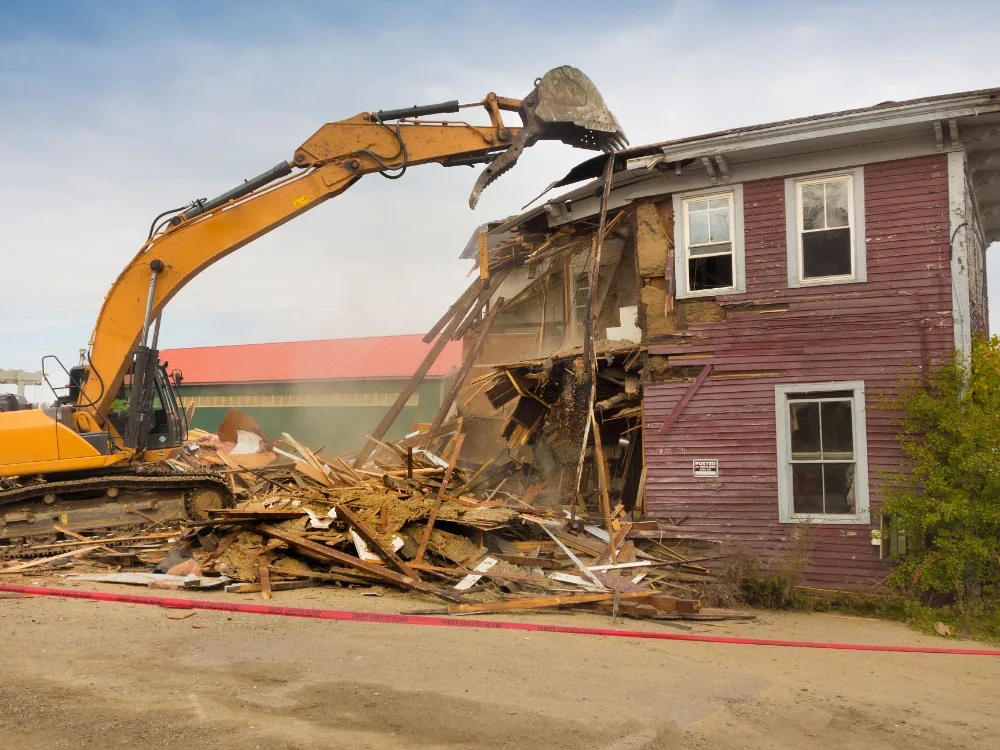
We tear down old houses and mobile homes with the excavator. The debris is hauled off, and the site is left clean and level.
Learn More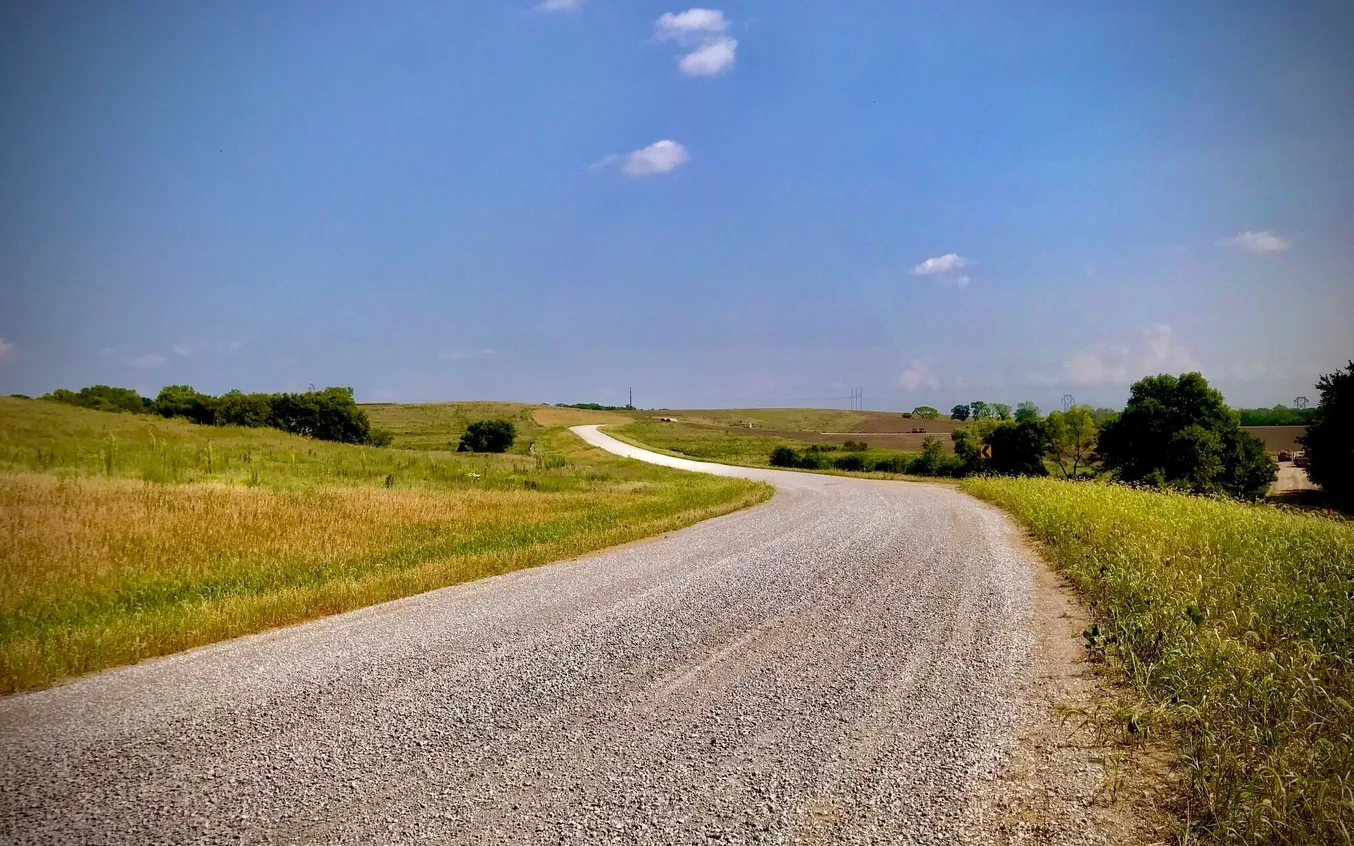
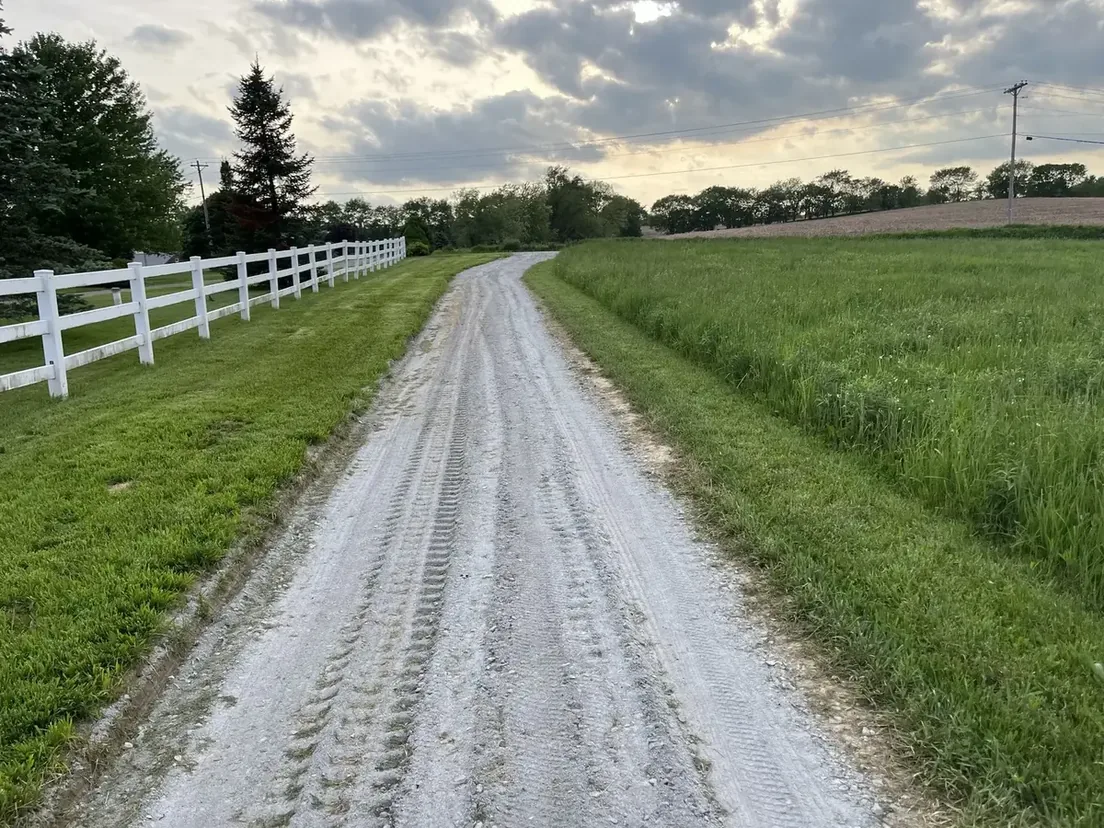
Gravel road construction gives a ranch or a home site a road built to shed rain. Hughes Dirt Service builds ranch roads and private lanes, and we rebuild old roads that have washed out. We cut and crown the roadbed so water sheds, then top it with rock or road base. A short drive up to a house is a gravel driveway, and we build those too.
We are based in Ranger, Texas, and our road work reaches about 60 miles around Ranger. That runs from Abilene on the west to Weatherford on the east. When the route is grown up in mesquite and cedar, land clearing opens it first. Call or text (254) 210-2570, and we will look at the road and put the quote in writing.
Tell us about the clearing, tank, pad, driveway or teardown and where it is. We look at the job and put the quote in writing.
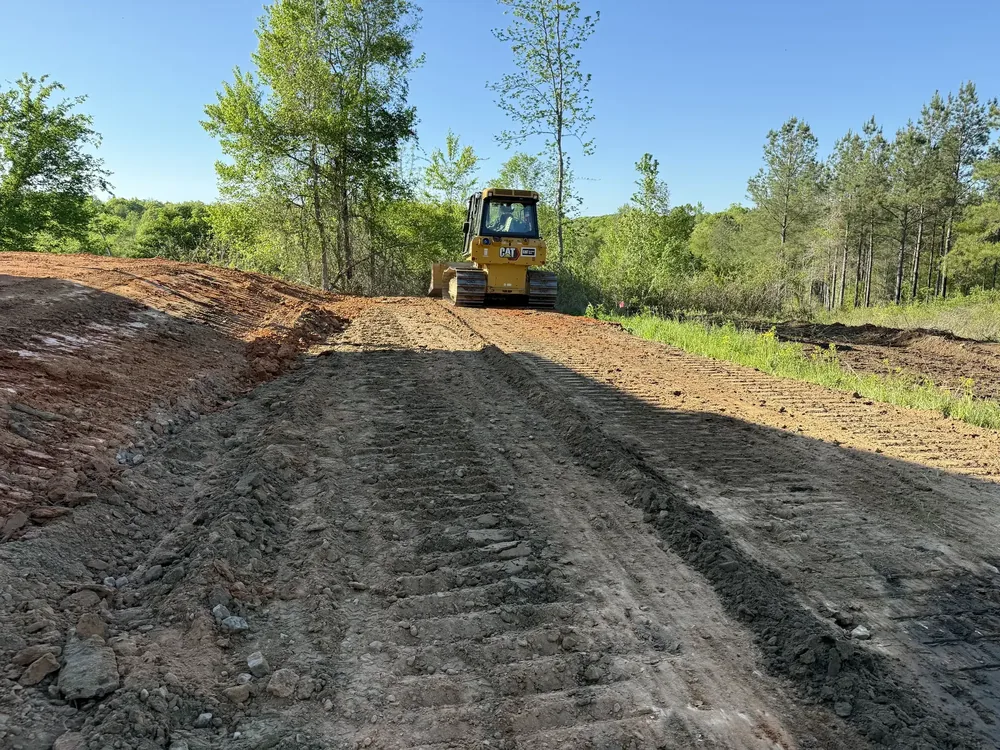
Every road starts with the route you want, and we clear the line first. Then our dozer cuts the roadbed and shapes it. Around Ranger, sandstone and limestone ledges often sit close to the surface. Where one crosses the line, we break it out with the excavator's rock hammer, as on rock excavation jobs.
Next the roadbed gets its crown, a gentle peak down the middle. A federal gravel roads guide recommends a rise of about half an inch per foot, edge to center. That is close to 4 percent, and the guide warns against going past 6 percent. The slope sends rain off to the sides before it soaks in.
Low spots get built up, and we shape the road so water leaves the way it always did. Texas water law bars diverting runoff in a way that damages another owner's land. Then we haul in rock or road base and spread it. Which rock goes down, and how deep, is set in the quote.
Caliche and crushed limestone both go on ranch roads in this part of Texas. TxDOT, the state highway department, lists caliche as a road base type in its base spec. Crushed stone and crushed concrete sit on the same list.
The same federal guide explains what makes good surface rock. It needs stone for strength and sand to fill the gaps. It also needs fine, sticky particles that bind it into a crust that sheds water. Base rock has bigger stone and little fine material, so it drains well but stays loose as a top layer.
The guide says crushed, broken stones set into a road surface better than rounded stone and shift less under load. Which rock fits your road depends on the trucks that use it and the haul to your place. We go over the choice with you before the quote is written.
Ranch roads around Ranger run over sandy, rocky Cross Timbers ground, and clay soils take over around Abilene. On either one, a road that loses its crown starts to pothole. Loose rock also piles up along the edges and traps water on the road.
On level ground, the federal guide says, that trapped water soaks in and often softens the whole road. On a slope it runs down the edge and cuts away rock and dirt. Severe damage often follows heavy hauls, the guide adds, most of all in wet weather.
Our road grading pulls the loose rock back from the edges into the road. Then we cut the crown back in and build up the low spots. Fresh rock goes on where the old rock is gone. A road that has lost both crown and rock gets the whole roadbed reshaped first.
Call or text for a written quote. We work about 60 miles around Ranger, from Abilene to Weatherford.
(254) 210-2570From the first call or text to the finished work, here is how it goes.
Call or text (254) 210-2570 and tell us what the job is and where it is. Photos by text help too.
We come out and look at the land and how our machines will get to the work. You show us what you want done.
The quote comes to you in writing before any work starts. It says what we will do and where the brush or debris goes.
Our dozer and excavator go to work on the day we set with you. The work follows the plan in the written quote.
We look over the finished work with you before the machines leave. The site is left the way the quote describes.
Common questions about gravel roads around Ranger and the towns from Abilene to Weatherford. If yours is not here, call or text and ask.
We tear down old houses and mobile homes with the excavator. The debris is hauled off, and the site is left clean and level.
Learn More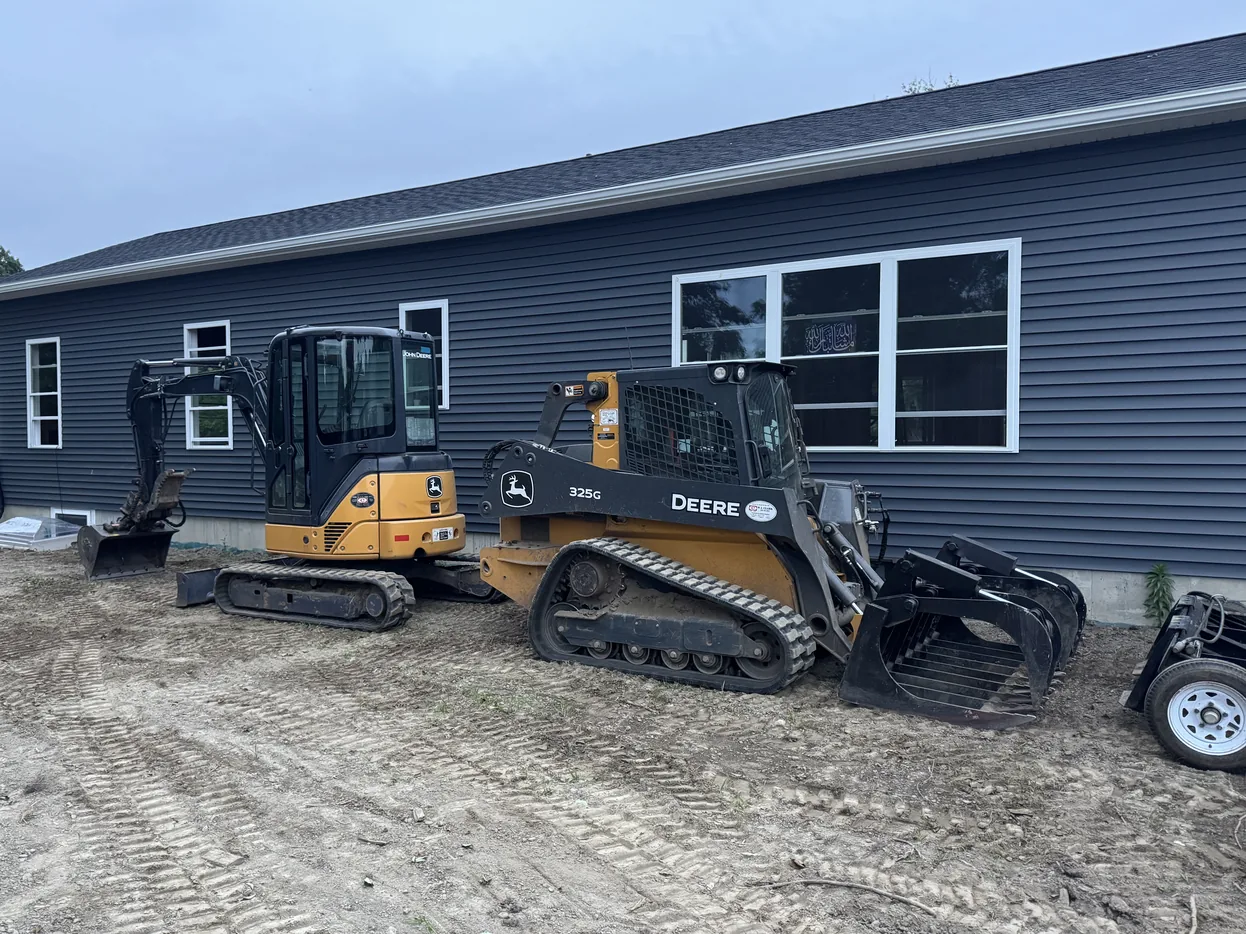
We clean up the ground around a new house with our equipment. Debris gets hauled off, and the yard gets rough graded and leveled.
Learn More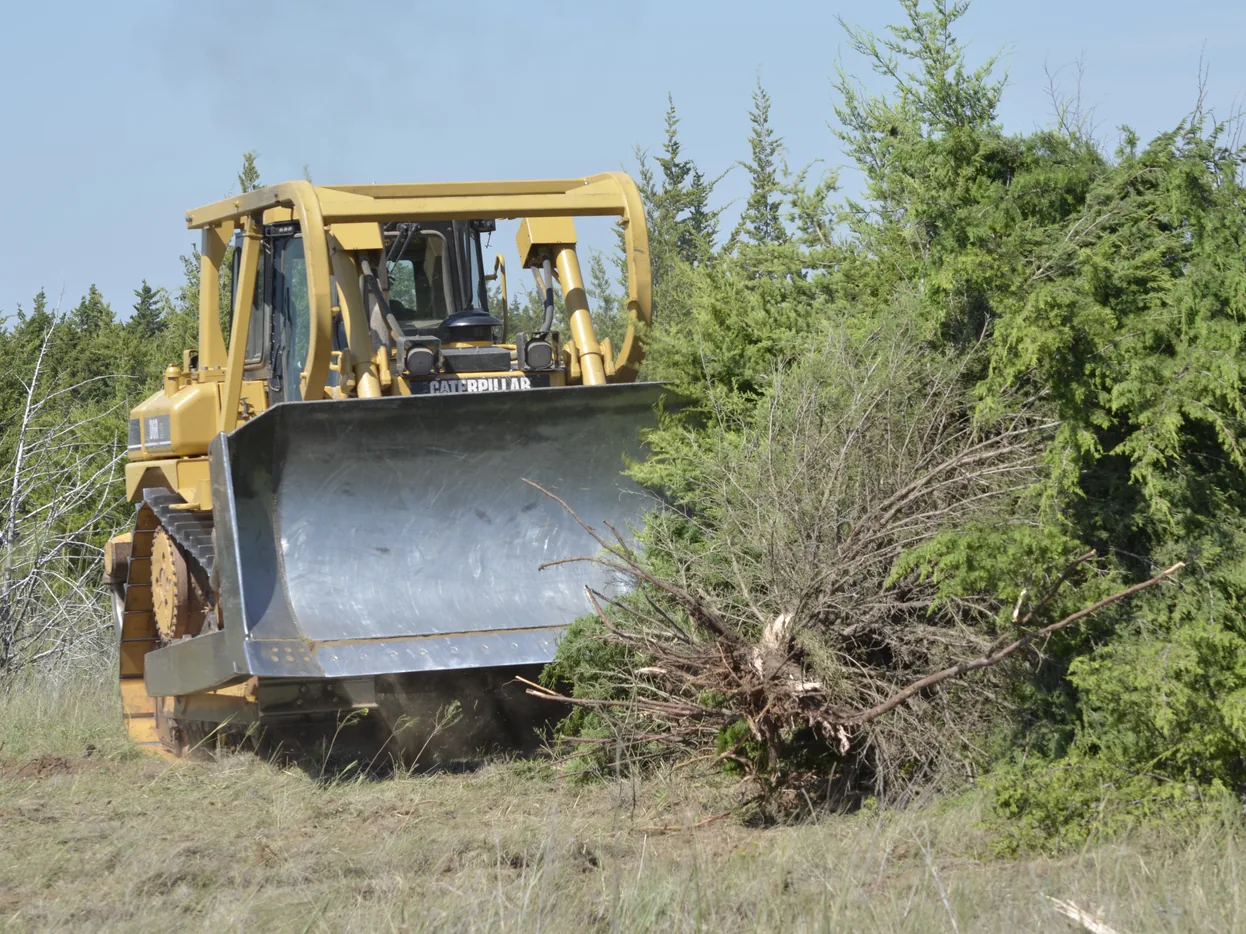
Our dozer and excavator clear brush and trees off fence lines and property lines. The lane we open leaves room for the fence crew and for upkeep.
Learn MoreWe clear the land, and we do the dirt work and digging that come after it. One call covers both.
Our dozer pushes brush and shapes dirt, and our excavator digs and loads. Its rock hammer breaks out rock when a trench runs into it.
We look at the job before we price it. Then the quote comes to you in writing, so you know the work before it starts.
Ranger, in Eastland County, sits at the center of our service area. We work about 60 miles around it, out to Abilene and Weatherford.
Tell us what the job is and the town it is near, and text us photos if you have them. Call or text (254) 210-2570, or send the form and we will get back to you.
Tell us about the clearing, tank, pad, driveway or teardown and where it is. We look at the job and put the quote in writing.